
For a long time, brands communicated through features.
Faster.
Cheaper.
Stronger.
More efficient.
These claims once defined competitive advantage. But in today’s crowded marketplace, features alone rarely create loyalty. Most products can be replicated. Most services can be matched.
What cannot easily be copied is how a brand makes people feel.
That is why the most effective brands today have shifted from feature-led communication to human storytelling.
The Limits of Feature-Based Branding
Features explain what a product does.
They rarely explain why it matters.
A smartphone may have a better camera.
A restaurant may offer more menu options.
A software product may run faster.
But people rarely build relationships with specifications.
When brands communicate only through features, they compete on comparison. The conversation becomes about numbers, performance metrics, and price — a space where differentiation becomes difficult and loyalty becomes fragile.
Human storytelling changes that dynamic.
Stories Create Meaning
Stories connect information to emotion.
Instead of simply describing what a brand offers, storytelling reveals:
- the problem it solves
- the people it serves
- the belief behind its existence
When brands tell stories, they transform products into experiences and transactions into relationships.
A feature says:
“This product lasts longer.”
A story says:
“This product was designed so you can rely on it when it matters most.”
The difference is subtle but powerful. One informs. The other resonates.
Why Emotion Matters in Modern Branding
Human beings make decisions emotionally and justify them logically.
People choose brands that reflect their values, aspirations, and identity. When a brand communicates through feelings, it creates space for people to see themselves in the story.
This emotional alignment strengthens three critical elements of brand value:
Trust – People trust brands that feel honest and human.
Memory – Stories are easier to remember than specifications.
Loyalty – Emotional connections outlast rational comparisons.
This is why brands with strong narratives often outperform those relying purely on product advantages.
The Role of Purpose in Storytelling
Authentic storytelling begins with clarity of purpose.
Brands that communicate meaningfully understand why they exist beyond profit. That purpose shapes the stories they tell and the experiences they design.
Purpose-driven storytelling does not rely on dramatic campaigns. It emerges from everyday actions:
- how a company treats customers
- how employees represent the brand
- how decisions align with stated values
When purpose informs storytelling, consistency follows.
FromMarketing Message to Brand Narrative
Human storytelling is not limited to advertising. It is a strategic framework that should guide the entire brand experience.
Strong brands build narratives through multiple touchpoints:
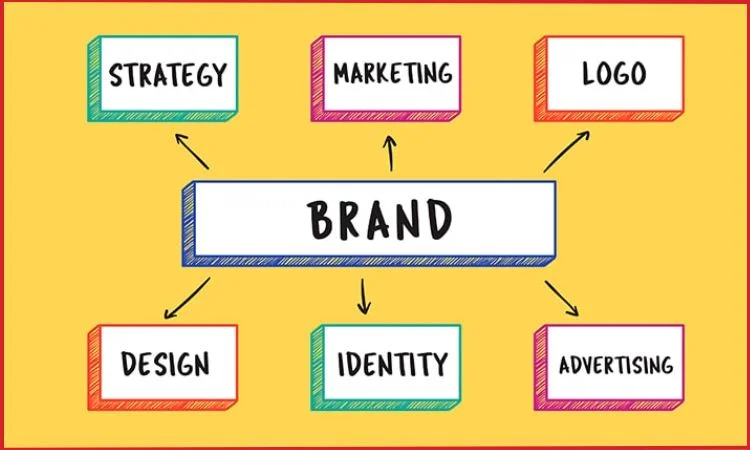
Visual identity – The design language that expresses the brand’s personality.
Customer experience – How people feel when interacting with the brand.
Content and communication – The tone, stories, and perspectives shared over time.
Internal culture – The behaviours and beliefs employees bring to life.
Together, these elements form a narrative that customers experience, not just hear.
Authenticity Over Performance
One of the biggest mistakes brands make is trying to manufacture emotional storytelling without grounding it in reality.
Audiences quickly recognise when stories feel exaggerated or disconnected from actual behaviour.
The most effective brand narratives are often simple and honest. They highlight real people, genuine challenges, and meaningful progress.
Authenticity makes storytelling believable.
What This Means for Modern Brands
Moving from features to feelings requires a shift in thinking.
Instead of asking only “What do we sell?”, brands must also ask:
- What problem do we truly solve?
- What belief guides our work?
- How do we want people to feel when they encounter our brand?
The answers to these questions shape stories that resonate far beyond product specifications.
Designing Brands That People Feel
At Brand Gap, we believe strong brands are built where strategy, story, and design meet.
Features may attract attention, but stories create connection. And connection is what transforms businesses into brands people remember, trust, and return to.
Because in the end, people rarely remember every feature.
But they always remember how a brand made them feel.