For years, brands were built on polish.
Perfect visuals. Perfect messaging. Perfect control.
But the rules have changed.
In today’s landscape, perfection no longer builds trust. Authenticity does.
Audiences are more informed, more skeptical, and more attuned to inconsistency than ever before. They don’t expect brands to be flawless — they expect them to be real.
The End of the Perfect Brand
Perfection suggests distance.
Highly polished brands can feel untouchable, overly scripted, and emotionally flat. While they may look impressive, they often fail to create connection. Modern audiences see through surface-level branding quickly — and when something feels too perfect, it often feels manufactured.
Authenticity, on the other hand, feels human.
It allows space for nuance, honesty, and imperfection — the same qualities people recognize in themselves.
Authenticity Builds Trust, Not Just Attention
Trust is the most valuable currency in branding today.
Authentic brands communicate with clarity and consistency, even when the message is difficult. They show their values through decisions, not campaigns. They admit when they don’t have all the answers.
This transparency creates credibility. And credibility builds loyalty.
Perfection may attract attention, but authenticity earns belief.
Authentic Brands Are Clear on Who They Are
Authenticity does not mean randomness or lack of standards.
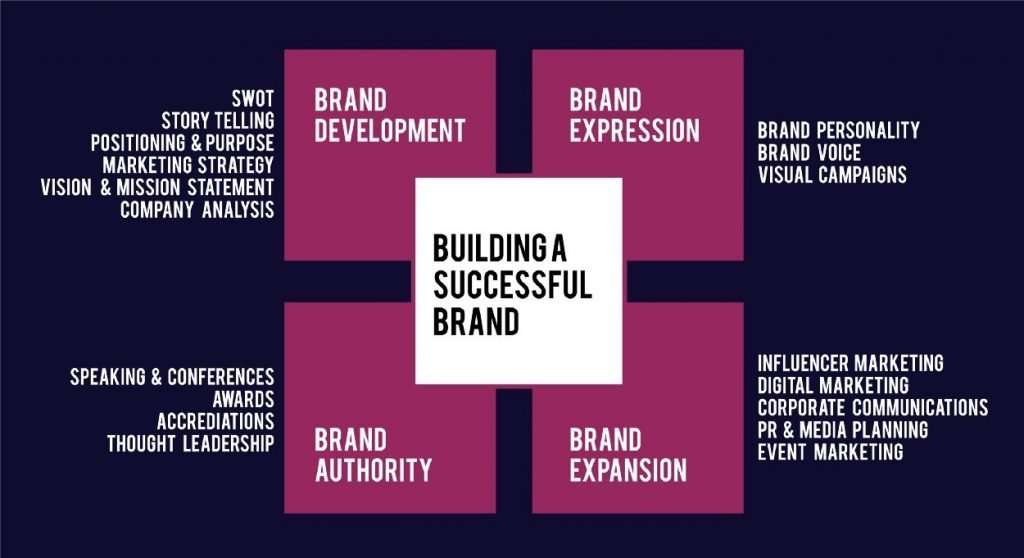
The strongest authentic brands are deeply grounded in purpose, positioning, and culture. They understand who they are, who they serve, and what they stand for — and they express that consistently across every touchpoint.
Because they are clear internally, they don’t need to overperform externally.
Consistency Over Control
Traditional branding sought control.
Modern branding requires consistency.
Authentic brands create clear frameworks rather than rigid scripts. This allows teams, partners, and communities to express the brand naturally without losing its essence.
The result is a brand that feels alive, adaptable, and trustworthy not fragile or over-managed.
Imperfection Signals Humanity
Human relationships are built on honesty, not perfection.
When brands acknowledge mistakes, evolve publicly, or show the process behind the outcome, they become relatable. This relatability strengthens emotional connection and long-term relevance.
Authenticity doesn’t weaken brands.
It humanizes them.
What This Means for Modern Brands
To build an authentic brand today:
- Lead with purpose, not performance
- Communicate with honesty, not polish
- Design systems that allow flexibility
- Align internal culture with external expression
- Let values guide decisions, even when it’s uncomfortable